
The trans-Saharan, Red Sea and Indian Ocean slave trades deserve serious study alongside the Atlantic trade. My carousel examines historical estimates and modern slavery data, while separating documented figures from disputed interpretations.
By Doggy. Adapted from my original Instagram post.
Several routes, many centuries
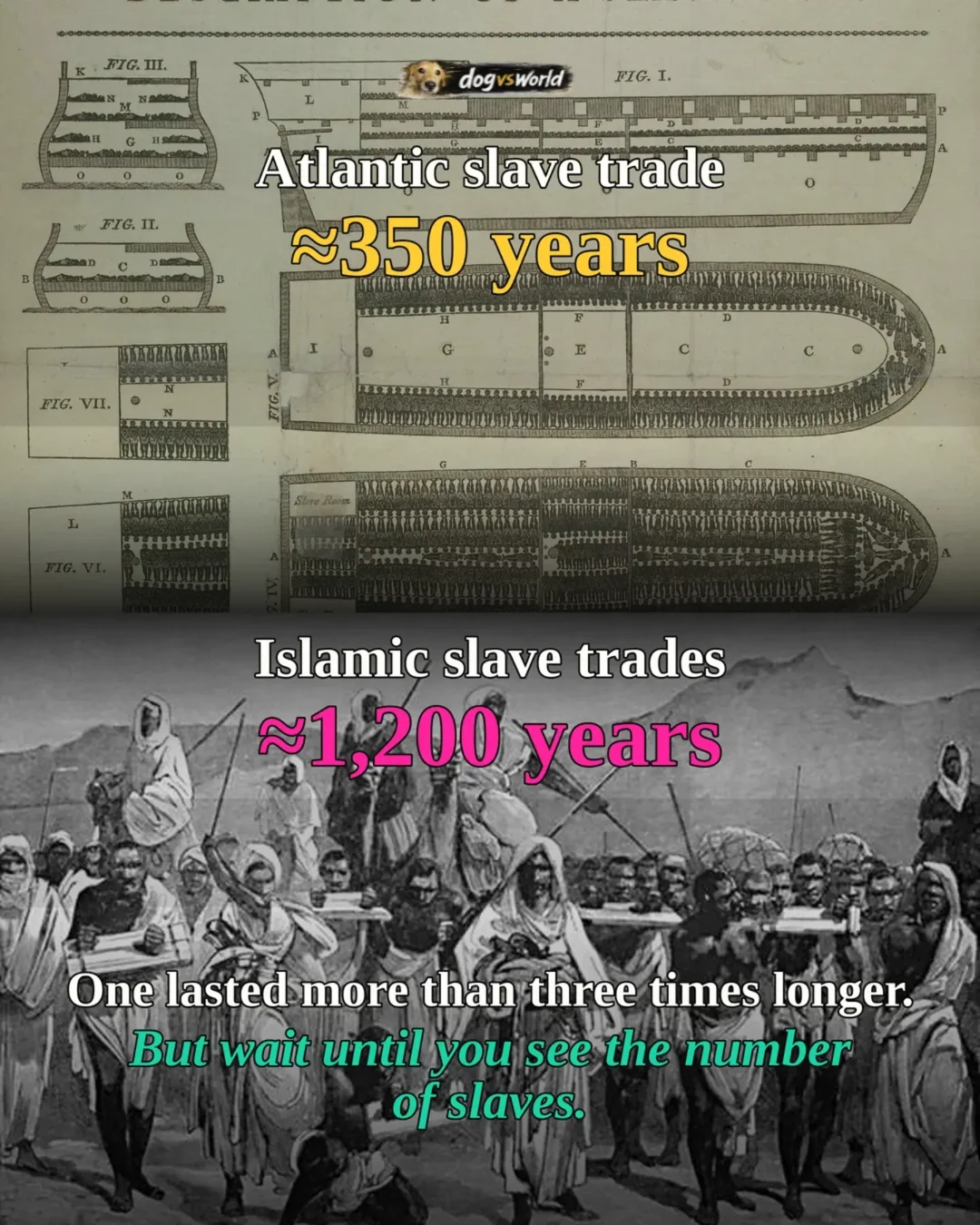
These trades crossed different territories and political systems over long periods. Historians reconstruct their scale from incomplete records, so broad totals should be presented as estimates with identifiable authors and definitions.
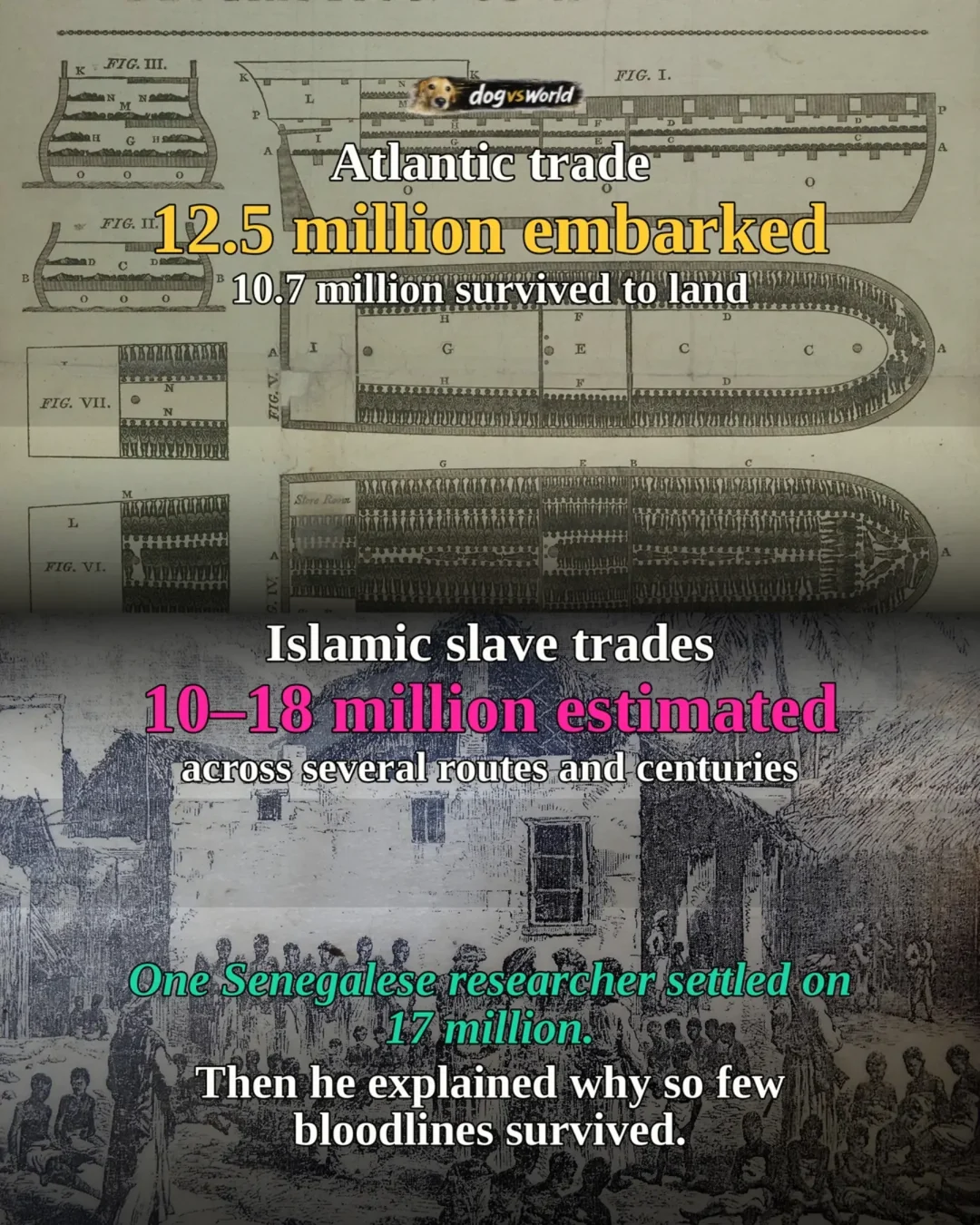
The Trans-Atlantic Slave Trade Database research estimates about 12.5 million Africans embarked and 10.7 million disembarked alive. Those are different measures. Comparisons with other routes need the same care over periods, geography and whether deaths before embarkation are included.
Tidiane N’Diaye’s argument
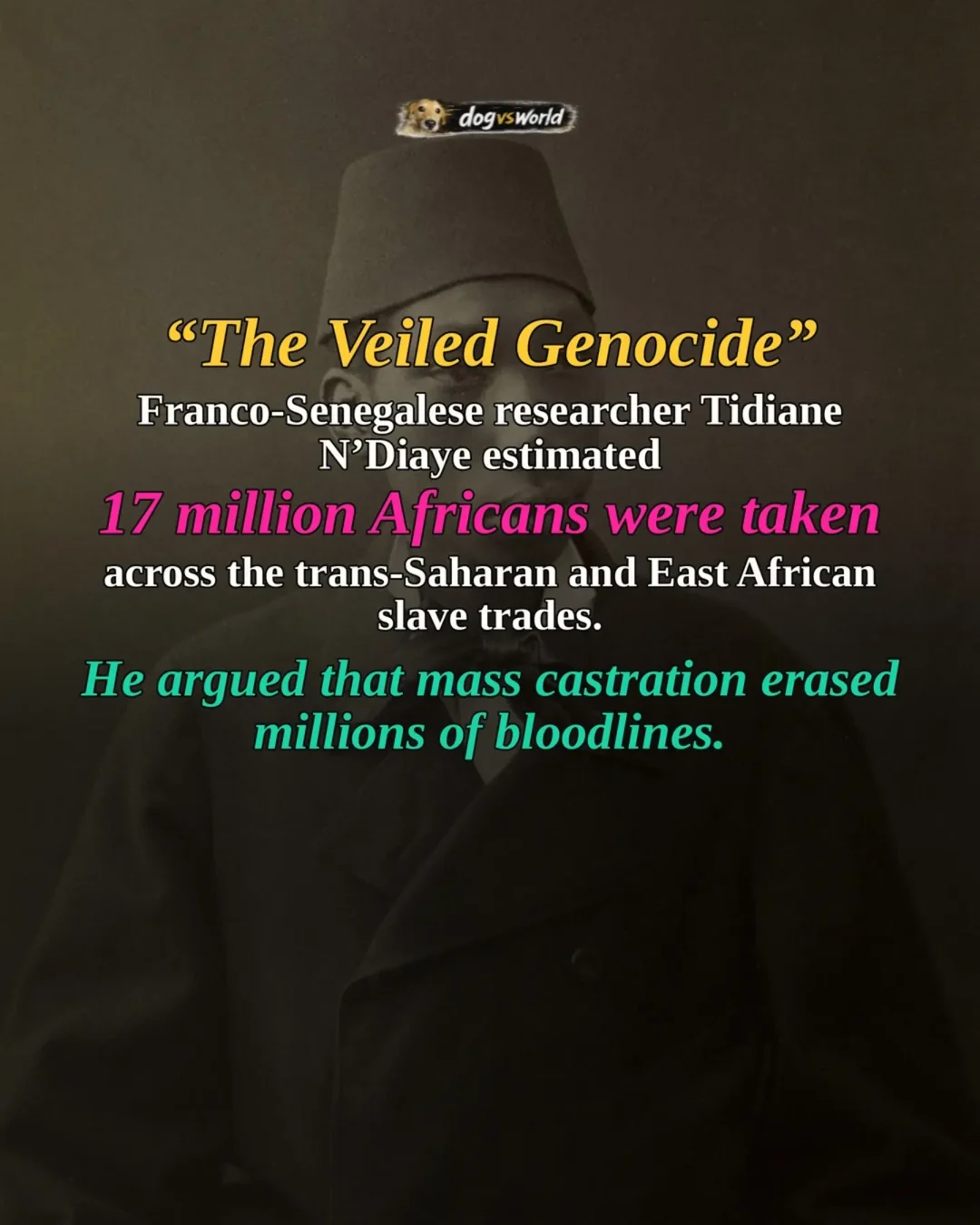
The original carousel discusses N’Diaye’s book Le Génocide voilé and his estimate of 17 million people. That is an attributed author’s estimate, not an independently verified census or an uncontested consensus. The book’s explanation involving castration must also be distinguished from a demonstrated explanation for all population outcomes.
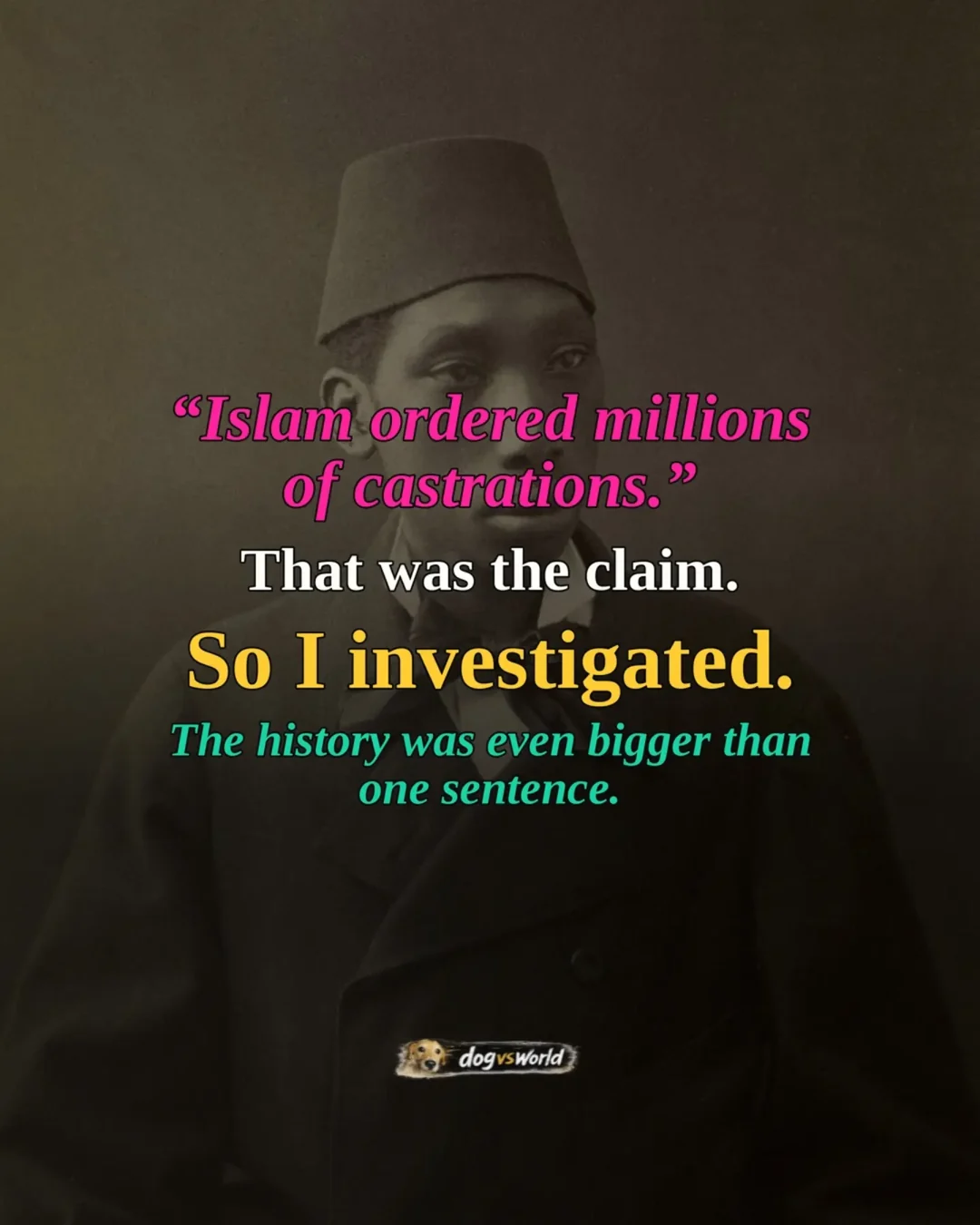
The opening slide quotes a sweeping claim as the subject of investigation. It should not be read as proof that a whole religion ordered every practice described, or that present-day people inherit responsibility for historical crimes.
Modern slavery is a separate dataset
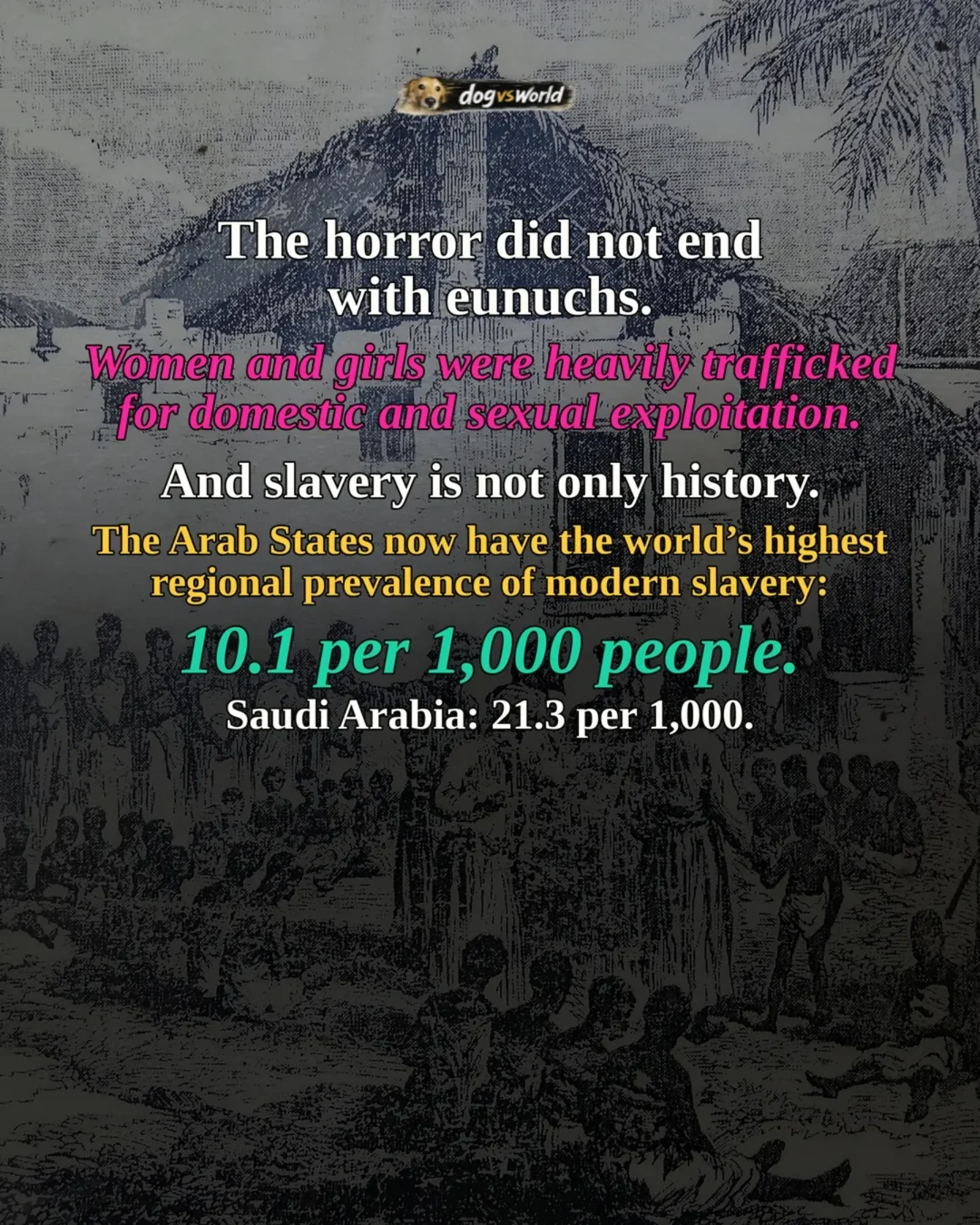
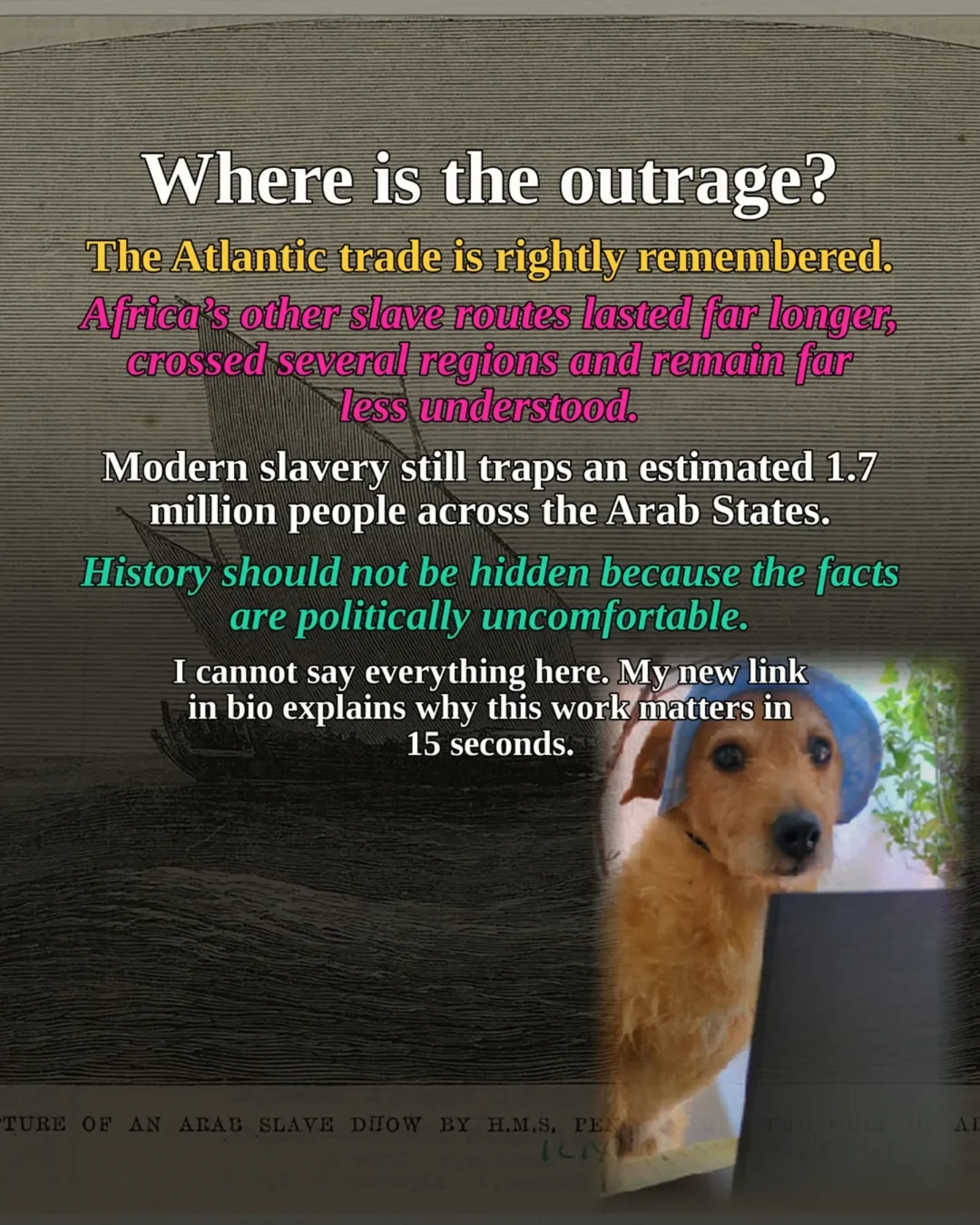
Walk Free’s 2023 Global Slavery Index estimates that 1.7 million people were living in modern slavery in the Arab States on any given day in 2021. The estimated regional prevalence was 10.1 per thousand, with Saudi Arabia estimated at 21.3 per thousand. These are modelled estimates of forced labour and forced marriage, not counts of historical slave trading.
Studying this history should widen the evidence available to readers. It should not minimise the Atlantic trade, treat suffering as a competition or replace uncertain historical research with collective blame.
Sources and further reading
- National Endowment for the Humanities: Transatlantic Slave Trade Database
- SlaveVoyages: the historical research database
- Walk Free: Arab States, Global Slavery Index 2023
The original carousel
The remaining slides preserve my original presentation. The article above provides the definitions, source context and limitations.
Explore more
More history reports · About my research
I research and create these posts myself. Support my work on Buy Me a Coffee, or send a correction or source suggestion.